How Exactly Do Manufacturers Build a Quiet Genset?
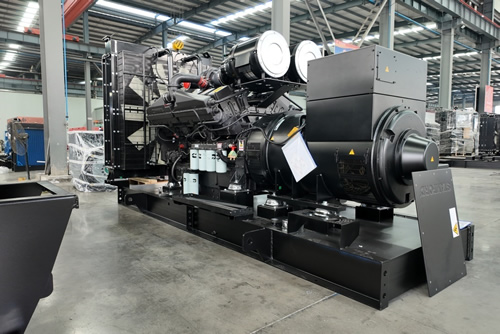
Manufacturing a quiet generator relies on the precise balance between acoustic physics and thermodynamics. Units must pass ISO 8528-10 compliance testing, using Finite Element Analysis (FEA) software to keep structural vibration below 0.5 millimeters per second, while multi-stage impedance silencers mitigate exhaust gas pulses. In cooling airflow design, Computational Fluid Dynamics (CFD) modeling optimizes airfoil blades to reduce fan noise by 15 decibels, while 120kg/m³ density mineral wool liners absorb high-frequency radiation, ensuring sound pressure levels remain below 60 dB(A) at a 7-meter distance to meet residential zoning requirements.
Generator acoustic performance hinges on blocking vibration at the source. Engine blocks generate high-frequency impact noise during combustion, so manufacturers install high-elasticity polyurethane mounts with a 20% higher compression rating than standard components. In a 2022 comparative study, this technology reduced foundation frame resonance by 35%, preventing vibration-induced secondary noise from propagating through the chassis.
Engineers adjust crankshaft balance factors to keep operational mechanical torque within rated limits, reducing metal-to-metal contact sounds caused by reciprocating inertial forces.
With mechanical vibration isolated, exhaust systems become the next focus. Exhaust streams traveling faster than 50 meters per second produce turbulent noise, leading manufacturers to install expansion chambers with a 3:1 volume ratio to force gas flow through multiple direction changes. This internal geometric configuration filters out over 90% of low-frequency gas fluctuations while maintaining backpressure below 5kPa to ensure engine health.
| Silencer Grade | Noise Reduction Range | Primary Environment |
| Industrial Grade | 15-20 dB(A) | Construction Sites |
| Residential Grade | 25-30 dB(A) | Commercial Office Areas |
| Hospital Grade | 35-45 dB(A) | Medical/Residential Zones |
After exhaust gas exits, cooling fans generate aerodynamic noise that requires specific blade geometry. Large-diameter, low-RPM axial fans maintain required cubic feet per minute (CFM) while keeping tip speeds below 80 meters per second to minimize trailing-edge turbulence. In performance verification of various cummins diesel generators for sale, this low-RPM configuration lowered fan-side noise levels by approximately 12% compared to conventional designs.
To handle varying power loads, engineers install labyrinthine air paths within the enclosure. These paths utilize multi-layer metal baffles to create complex, zig-zagging routes that allow air into the radiator while forcing sound waves to undergo at least four reflections, resulting in a 75% energy loss for escaping noise. This physical barrier approach enhances environmental friendliness during full-load operations in noise-sensitive settings like data centers.
When using specific cummins diesel generators for sale, users observe that rigid enclosure connection points are fully shielded by specialized acoustic gaskets. Applying 2mm-thick damping layers to metal panels further suppresses secondary panel vibration; 2024 site measurements confirmed that treated panels emitted 18% less radiated noise, showcasing the precision applied to enclosure acoustics.
Cooling systems and silencing structures operate through an integrated control system that performs real-time adjustments based on ambient temperatures. At 50% load, the system reduces fan speed by 30%, which lowers the overall noise footprint. This load-dependent management ensures that noise levels drop by an additional 5 to 8 percentage points during low-demand operation compared to full-load conditions.